
Introduction:- 8 Green Lizard in Florida. Hello friends, Welcome to my blog. Today we will discuss about Florida and 8 Green Lizard in Florida. Florida is famous for its vibrant wildlife, and if you’re seeing a “green lizard,” you’re likely looking at one of three very different species. While they share a color, their roles in Florida’s ecosystem range from “beloved native” to “invasive nuisance.”
8 Green Lizard in Florida
8 GREEN LIZARDS IN FLORIDA
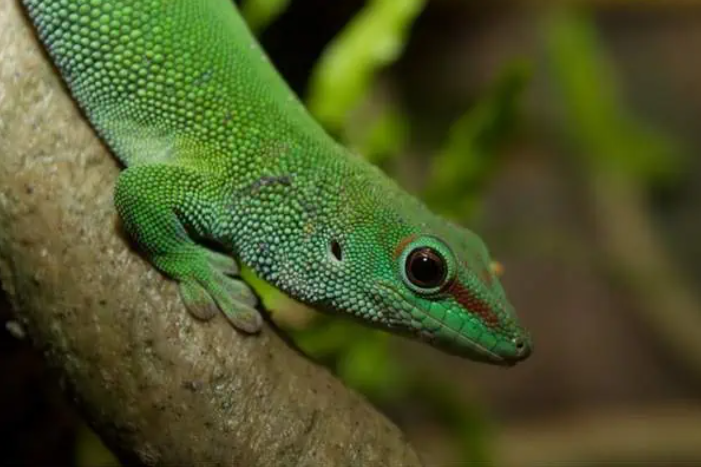
1. MADAGASCAR GIANT DAY GECKO-They can reach a length of 11 inches and have a body color that’s bright green all over, except for a red stripe.
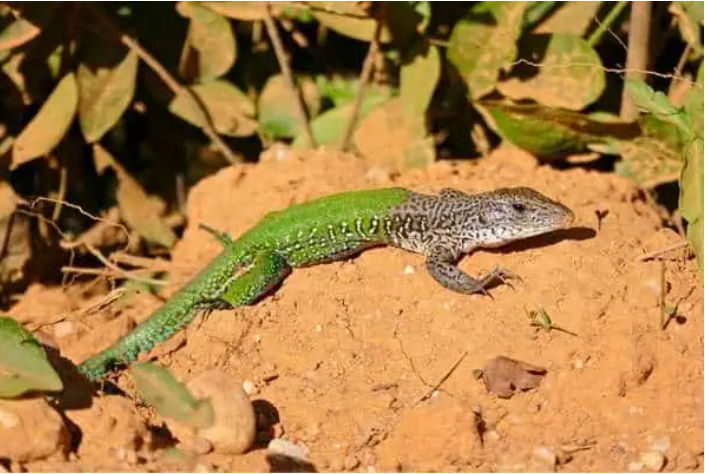
2. GREEN AMEIVA-The green ameiva, also called the giant ameiva, is a very long lizard that can grow up to 20 inches long.
3. VEILED CHAMELEON- It’s a type of lizard that lives in places like plateaus, mountains, and valleys, where it often lives in trees. ( Famous 8 Green Lizard in Florida )
4. BLUE-CRESTED LIZARD-The colorful blue-crested lizard is a species of lizard that’s native to Southeast Asia, China, and South Asia but has been introduced to Florida.
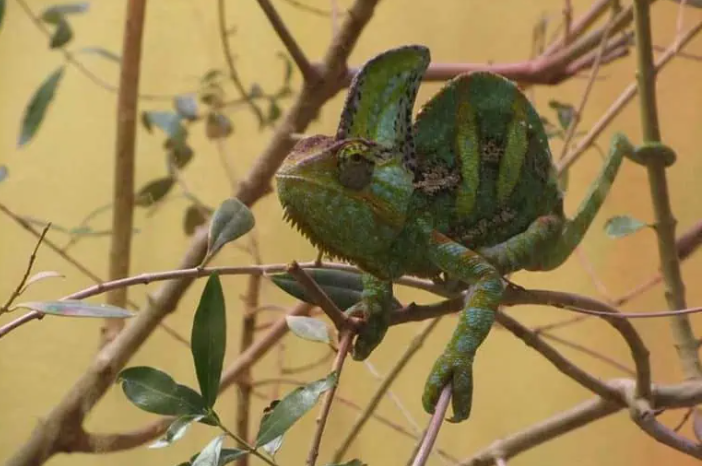
5. KNIGHT ANOLE-The brightly colored lizard known as the knight anole is native to Cuba but has since made its way into Florida, where it’s now considered an invasive species. ( Famous 8 Green Lizard in Florida
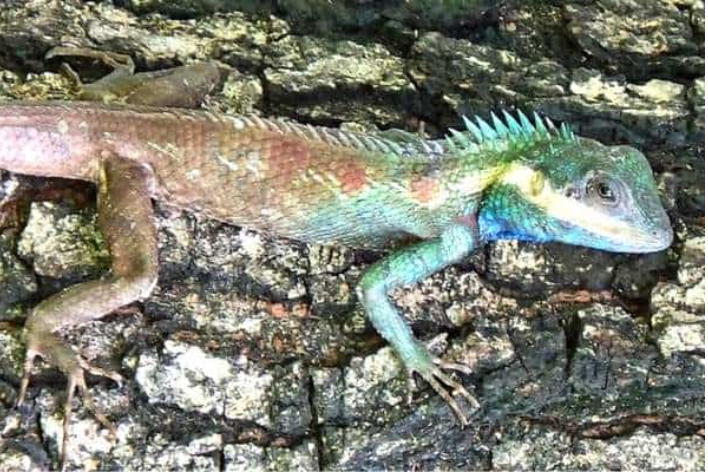
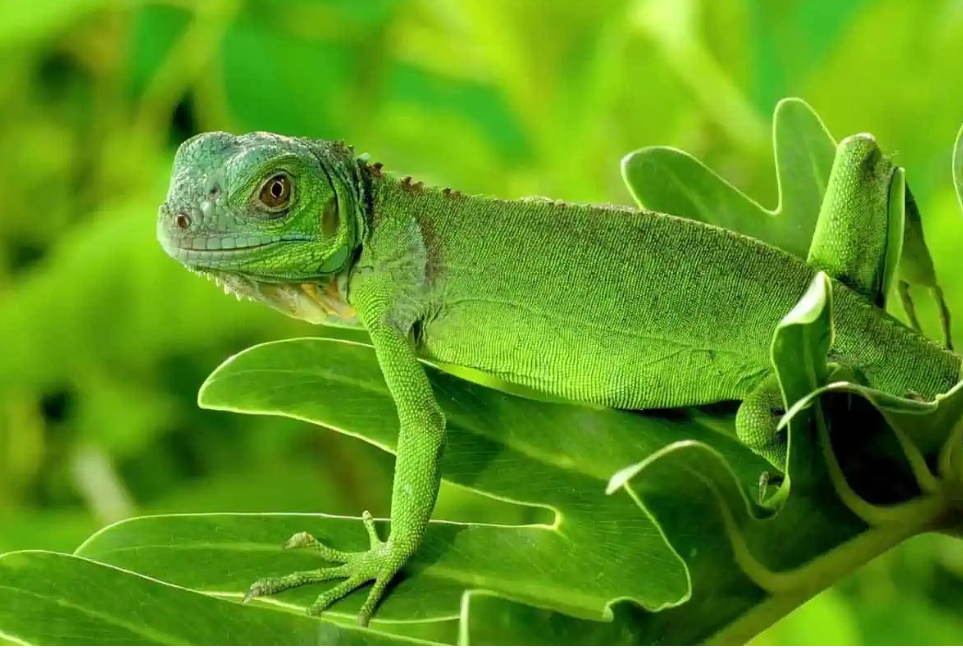
6. GREEN IGUANA-These bright or dark green colored lizards are herbivores that eat mostly leaves, flowers, fruits, and shoots.
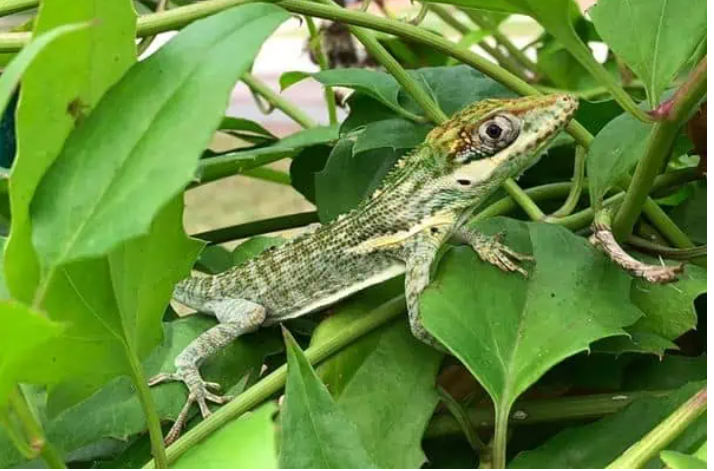
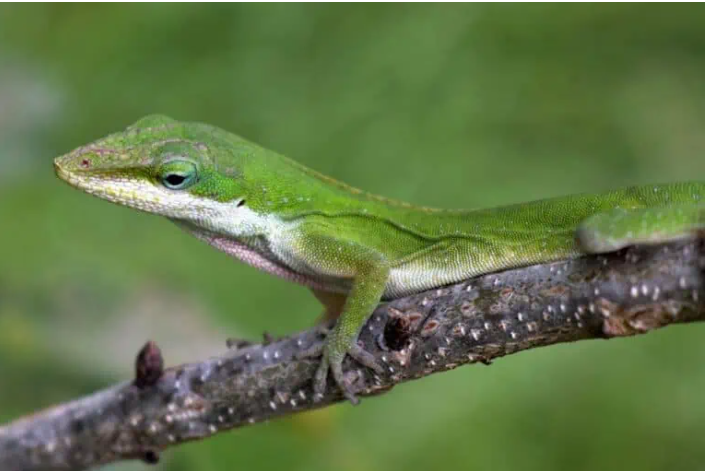
7. GREEN ANOLE-Green anoles can either be green or brown in color, but they have the ability to change the color of their bodies.
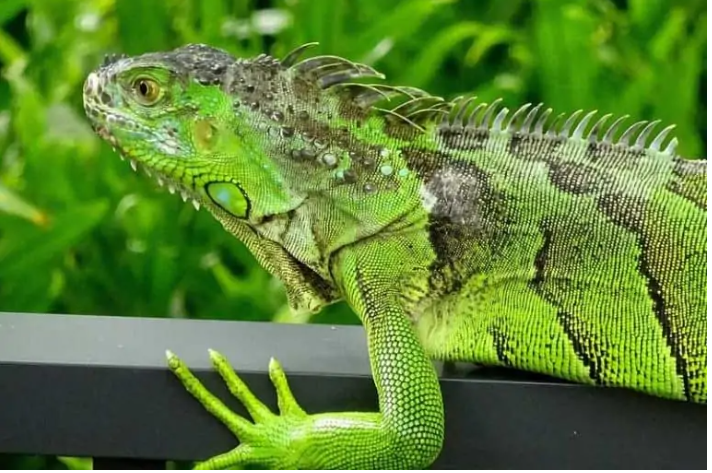
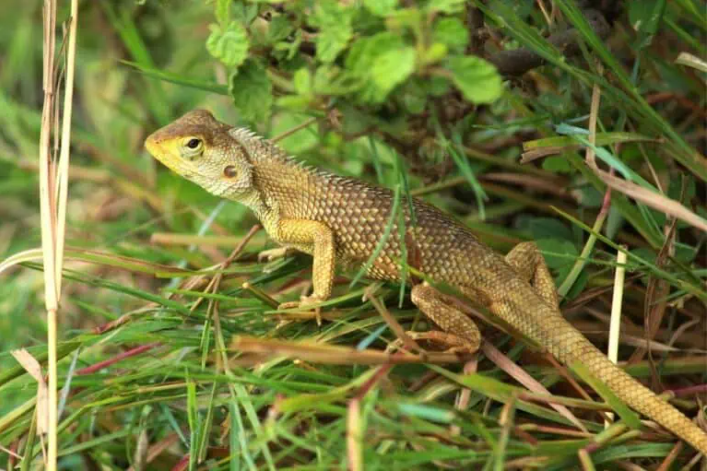
8. ORIENTAL GARDEN LIZARD-When feeding,Oriental garden lizards will typically grab their prey with their teeth,shake ferociously to stun the prey and then swallow it whole.
Here is a comprehensive “Know Your Florida Green Lizards” Q&A, designed to help you identify what’s crawling on your porch and understand why it’s there. ( Famous 8 Green Lizard in Florida
🐍 Florida’s Green Lizard Q&A
Q: I see a small green lizard that turns brown. Is it a chameleon?
A: Not quite! While often called the “American Chameleon,” it is actually a Green Anole. True chameleons change color to match their surroundings; Green Anoles change color based on temperature, health, and mood. If they are stressed or cold, they turn brown. If they are happy and warm in the sun, they turn a vibrant emerald green.
Q: Are any of these green lizards dangerous to humans or pets?
A: For the most part, no.
-
Green Anoles: Completely harmless. They might nip if you catch them, but it feels like a tiny pinch.
-
Green Iguanas: Generally shy, but they can whip their tails or bite if cornered. Their main danger is Salmonella, which can be found in their droppings.
-
Knight Anoles: These can be aggressive and have a strong bite, so it’s best to admire them from a distance.
Q: Why are the small green lizards getting harder to find?
A: Competition. The invasive Brown Anole (from Cuba and the Bahamas) has taken over the ground-level territory. Because Brown Anoles will actually eat the hatchlings of Green Anoles, our native green friends have been forced to move higher up into the tree canopies and bushes to survive.
Q: Why does the green lizard have a red flap under its chin?
A: That is called a dewlap. Only the males have a large, brightly colored one. They extend it to:
-
Defend territory (telling other males “This is my bush!”).
-
Attract a mate (telling females “Look how healthy I am!”).
Q: Is it true that Green Iguanas fall from trees when it gets cold?
A: Yes! When temperatures drop below 40°F (4°C), their bodies enter a state of suspended animation. They lose their grip on branches and fall. Most of the time, they aren’t dead—they are just “frozen” until the sun warms them back up.
Q: What should I do if a Green Anole gets inside my house?
A: Don’t panic! They are excellent “pest control” for spiders and gnats. However, since they need humidity and UV light to survive, it’s best to catch them gently in a cup and release them near some leafy plants outside.
Summary Identification Table
| If it looks like… | It is likely a… | Should you worry? |
| A tiny green needle with a pink throat | Green Anole | No, it’s a native friend! |
| A chunky lizard with a yellow eye-stripe | Knight Anole | No, but don’t try to pet it. |
| A miniature dinosaur with a spiky back | Green Iguana | Only if it’s eating your garden. |