
Introduction:- 10 Most Valuable Quarter Errors In Circulation
Hello friends, Welcome to my blog. Today we will discuss about 10 Most Valuable Quarter Errors In Circulation. Finding a rare quarter in your pocket change is like winning a small lottery. While most quarters are just worth 25 cents, certain minting errors—mistakes made during the production process—can turn a common coin into a collector’s item worth hundreds or even thousands of dollars. (10 Most Valuable Quarter Errors In Circulation).
10 Most Valuable Quarter Errors In Circulation
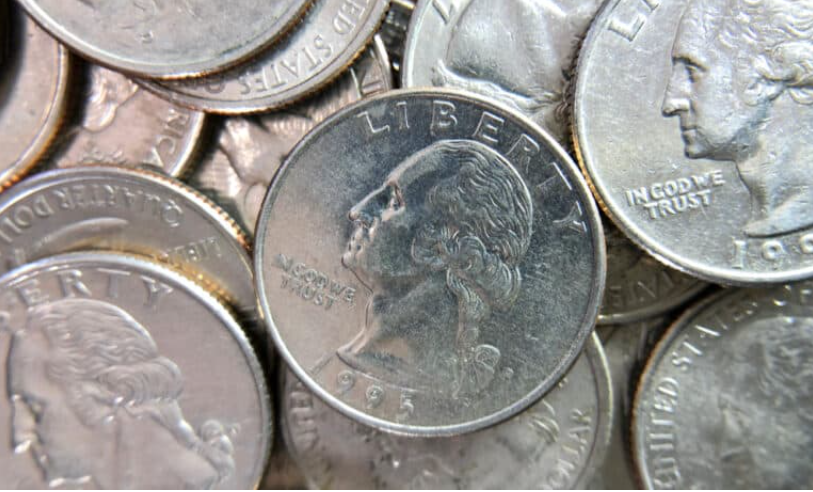
10 Most Valuable Quarter Errors In Circulation :-
1. 2005-P Minnesota Quarter (Double Die Error)-The Philadelphia mint struck them in 2005.Their value ranges from 100 USD to 800 USD.

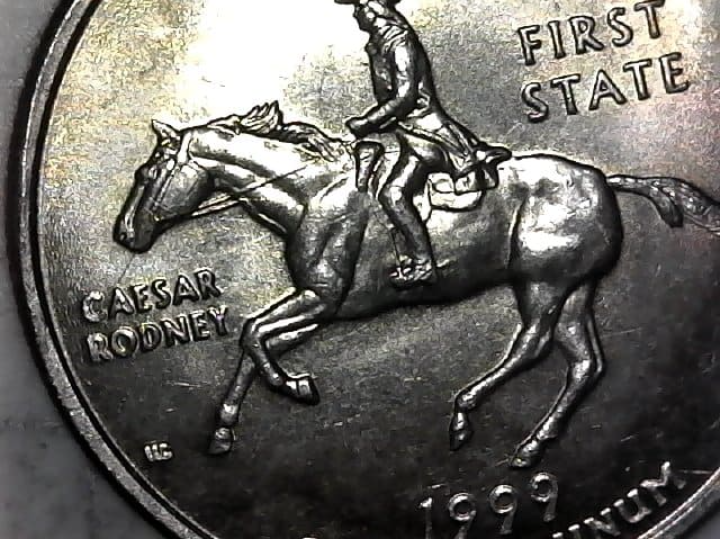
2. 1999-P Delaware Quarter (Spitting Horse)-The Denver mint struck them for Delaware State in 1999.Prices in the market start from 10 USD to 500 USD.
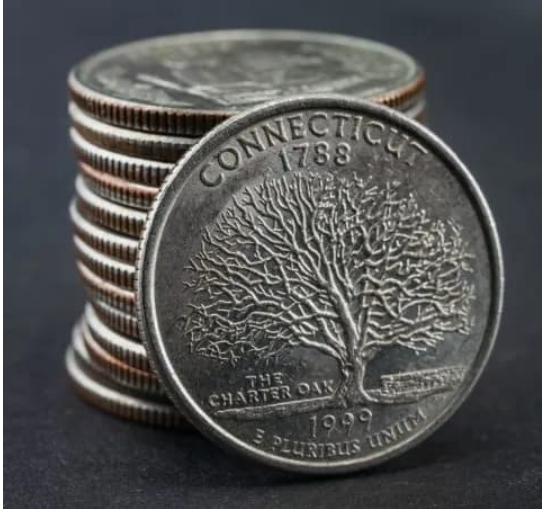
3. 1999-Pt Quarter (Rare and Wrong Strike)-The Philadelphia mint made them in 1999 for Connecticut State.In 2020, its best price was 3720 USD. (10 Most Valuable Quarter Errors In Circulation).
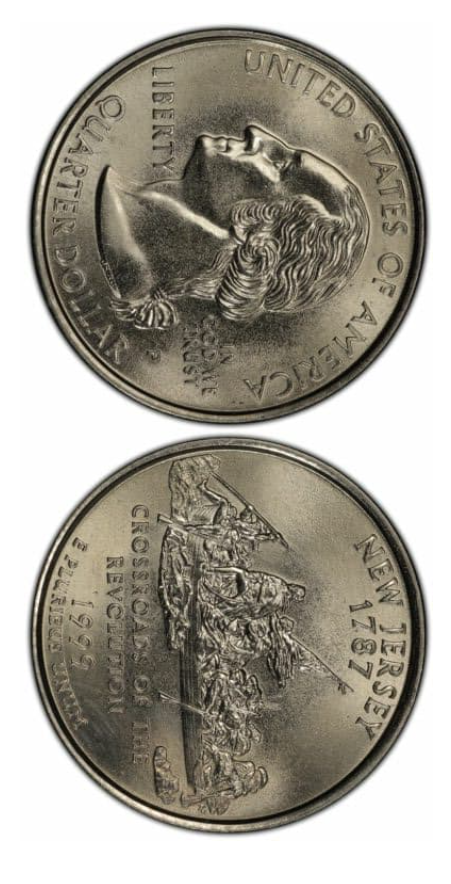
4. 1999-P New Jersey Quarter (Wrong Strike)-Its best price is 13,200 USD.The Philadelphia mint struck them for New Jersey in 1999.
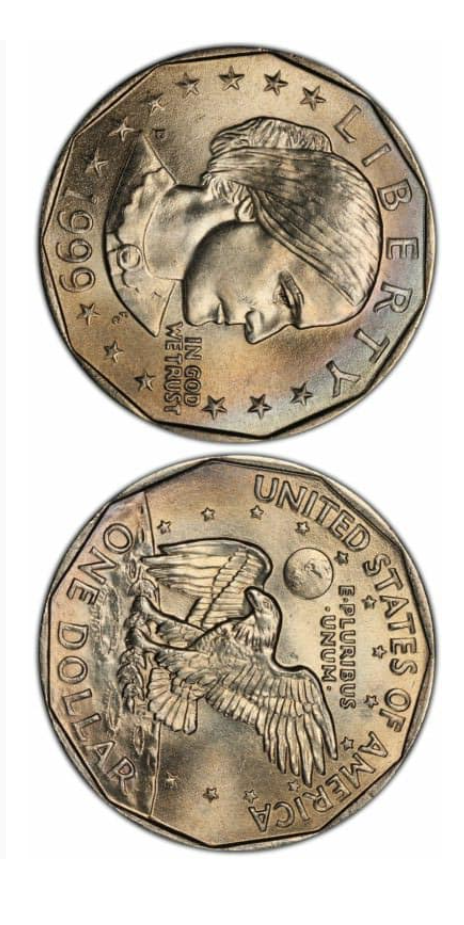
5. 1999-P Susan B. Anthony Dollar (Wrong Strike)-The Philadelphia mint struck them in 1999.When in the best mint state, it sells for 6325 USD.
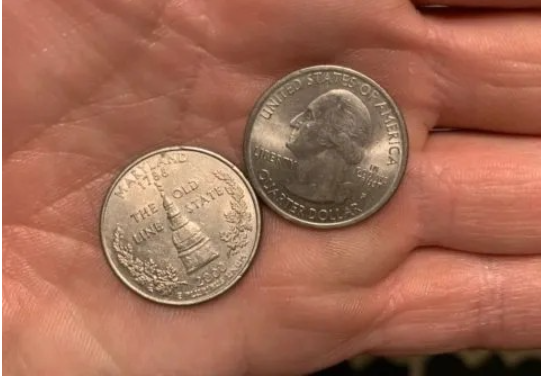
6. 2000-P Maryland Quarter (Wrong Strike)-The Philadelphia mint struck it in 2000.
The coin’s best price is 6325 USD in the best mint state. (10 Most Valuable Quarter Errors In Circulation).
7. 2000-P Sacagawea Dollar (Striking Error)-The Philadelphia mint struck them in 2000.
This coin’s best price was 192,000 USD in 2018.

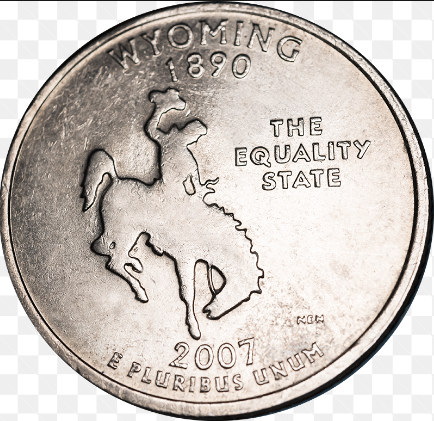
8. 2007-P Wyoming Quarter (Double Die Error)-At its best mint state, the coin sells at 422.99 USD.The Philadelphia mint made them in 2007.
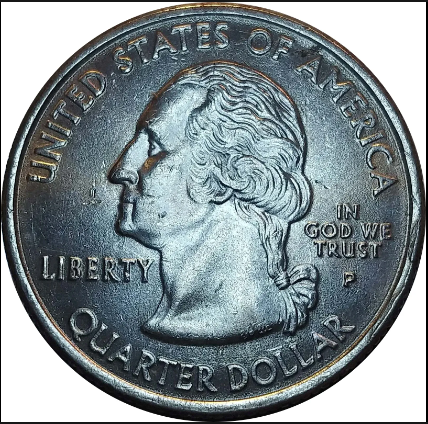
9. 2002-P Indiana Quarter (Strike on the Planchet)-The Philadelphia mint made them for Indiana in 2002.Its price for the best mint state is 4025 USD.
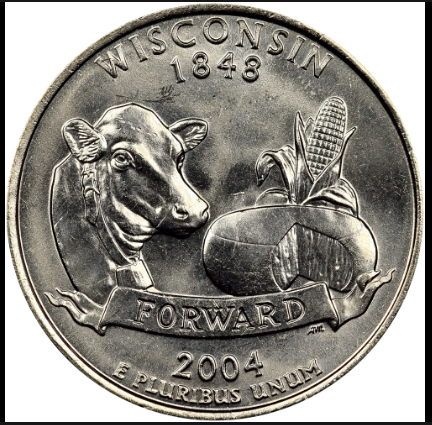
10. 2004-D Wisconsin Quarter (Extra Leaf)-The Denver mint struck them for Wisconsin in 2004.It sells for at most 2530 USD for the high leaf error and 6000 USD for the low leaf. (10 Most Valuable Quarter Errors In Circulation).
Great idea. Since the world of “coin roll hunting” can get pretty technical, here is a quick Q&A to help you separate the treasures from the pocket change.
General Q&A: Searching for Errors
Q: Are all older quarters worth more than 25 cents? A: Not necessarily. Quarters from 1964 and earlier are 90% silver and always worth more (usually $4–$5+ just for the metal). For quarters made after 1964, they are generally only worth face value unless they have a specific mint error or are in perfect, uncirculated condition.
Q: How can I tell the difference between a “Mint Error” and just a damaged coin? A: This is the most important skill!
-
Mint Errors happen during production. Features like “doubled dies” or “extra leaves” will be raised metal, crisp, and part of the coin’s structure.
-
Post-Mint Damage (PMD) happens after the coin leaves the mint. Scratches, dents, or “missing” letters usually show signs of the metal being pushed aside or gouged out. If it looks like someone hit it with a hammer or a lawnmower, it’s probably just damage. (10 Most Valuable Quarter Errors In Circulation).
Q: What is a “Doubled Die” and how do I spot it? A: It occurs when the die used to stamp the coin has a doubled image on it. You aren’t looking for a “blurry” coin; you are looking for distinct, overlapping lines, especially in the lettering (like the word “LIBERTY”) or fine details like piano keys or leaves.
Q: Does the “Mint Mark” (P, D, S, W) actually matter? A: Absolutely. Some errors only exist at certain mints.
-
W (West Point): These were released directly into circulation in 2019 and 2020. Even without an error, a “W” quarter is worth $10–$20 because they are rare.
-
S (San Francisco): Usually reserved for “Proof” sets. If you find one in your change, it’s likely a “Business Strike” or a silver proof someone accidentally spent. (10 Most Valuable Quarter Errors In Circulation).
Specific Error Q&A
Q: I found a 2004 Wisconsin quarter. How do I know if it’s the “Extra Leaf” one? A: Look at the left side of the corn stalk on the back. A normal coin has one leaf. The error coin has a second, smaller leaf either pointing up (“High Leaf”) or pointing down (“Low Leaf”). If it’s just a scratch or a smudge, it’s not the error.
Q: Is there really a “Spitting Horse” quarter? A: Yes! On the 1999 Delaware quarter (Philadelphia mint), look for a raised, jagged line coming out of the horse’s mouth. It’s caused by a “die crack”—where the metal stamp actually cracked and leaked metal onto the coin.
Q: Why is the 1965 quarter often mentioned in error lists? A: 1965 was the first year the Mint stopped using silver. However, a few “Transitional Errors” exist where 1965 quarters were accidentally struck on leftover silver blanks.
-
The Test: A silver 1965 quarter will not have a copper “sandwich” stripe on the edge and will weigh 6.25 grams (compared to 5.67 grams for a normal one). (10 Most Valuable Quarter Errors In Circulation).
Q: What should I do if I think I found a valuable error? A: 1. Don’t clean it! Cleaning a coin ruins its value to collectors. 2. Protect it: Put it in a plastic flip or a small baggie. 3. Verify: Use a site like VarietyVista or PCGS CoinFacts to compare your coin to known genuine errors. 4. Professional Grading: If it’s a high-value error (like the Wisconsin Leaf), you may want to send it to a service like PCGS or NGC to be “slabbed” and certified. (10 Most Valuable Quarter Errors In Circulation).